If you’re new to cannabis or simply exploring options, this guide explains how to locate and evaluate a cannabis dispensary in California, whether you’re seeking adult-use products or participating in the state’s medical program. The goal is a safe, informed experience from start to purchase—grounded in current California cannabis regulations.
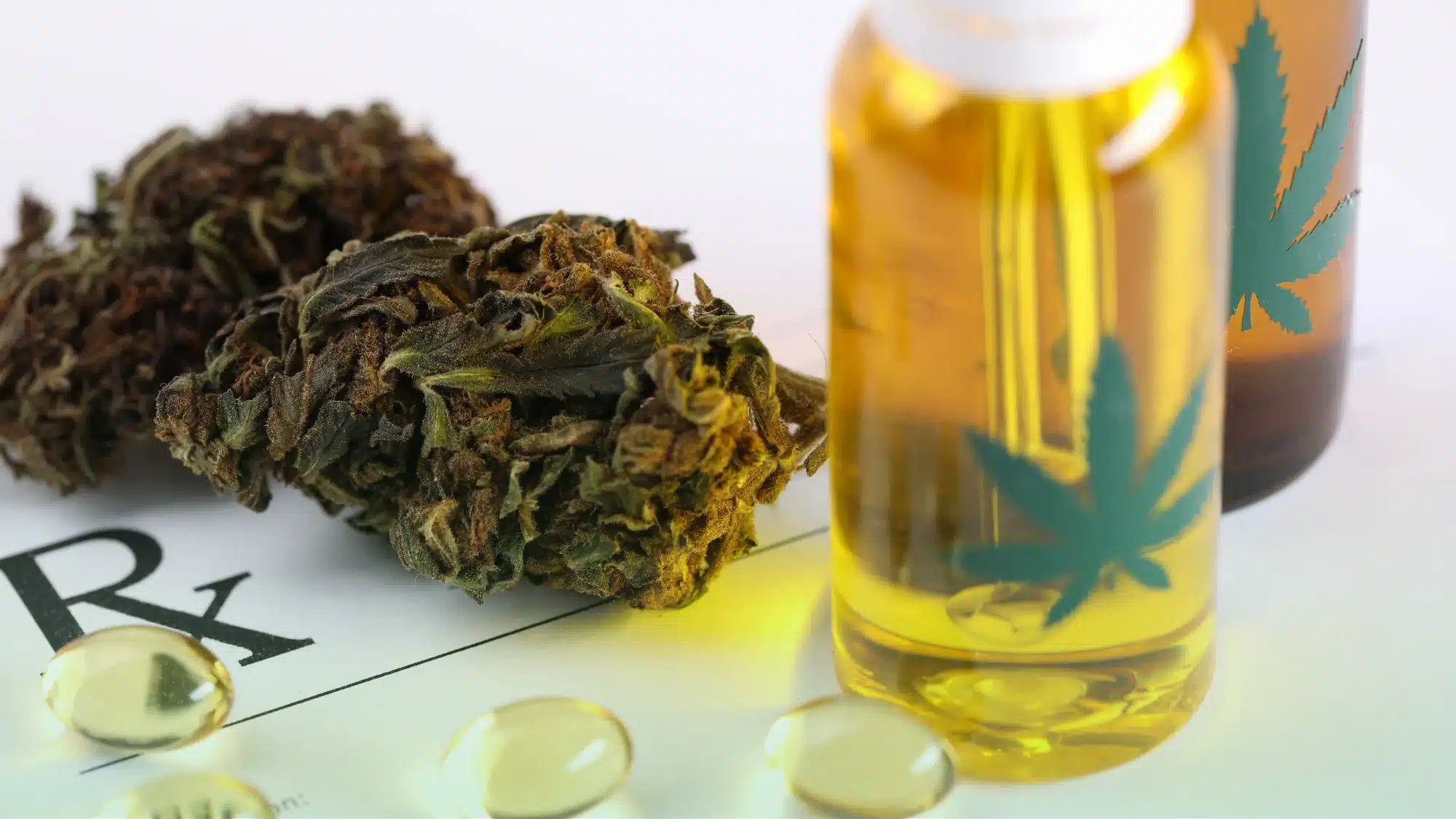
Understanding Recreational vs. Medical Cannabis in California
In California, both adult-use and medical cannabis are legal under state law and regulated by the California Department of Cannabis Control (DCC).
- Adult-use (Recreational) Cannabis: Available to adults age 21+. A valid government ID is required at entry and purchase.
- Medical Cannabis: Available to patients 18+ with a physician’s recommendation. Patients under 18 require parental consent and a designated caregiver.
While both programs provide access to similar product categories, there may be differences in purchase limits, tax structure, possession limits, and age requirements. Before visiting a “cannabis dispensary near me,” confirm local city or county ordinances, as municipalities may restrict storefront locations or operating hours.
How to Find a Cannabis Dispensary in California
1. Verify Licensing Through Official Sources
Always confirm that a cannabis dispensary holds an active California retail license. The DCC maintains a public license search tool to verify that a dispensary is authorized to operate. A licensed retailer should:
- Display its state license number in-store and online
- Follow California packaging and labeling rules
- Sell only products tested by licensed laboratories
Avoid unlicensed sellers or delivery services that cannot provide verifiable licensing information.
2. Review Product Testing and Labeling
California requires mandatory third-party laboratory testing for all retail cannabis products. A compliant cannabis dispensary will offer access to Certificates of Analysis (COAs), which confirm testing for potency (THC/CBD), residual solvents, pesticides, heavy metals, and microbials. All products must include:
- THC and CBD percentages
- Government warning statements
- Net weight or volume
- Batch number and manufacturing date
- Universal cannabis symbol required by California law
Retailers should focus on providing factual product information rather than outcome-based claims.
3. Compare Product Categories
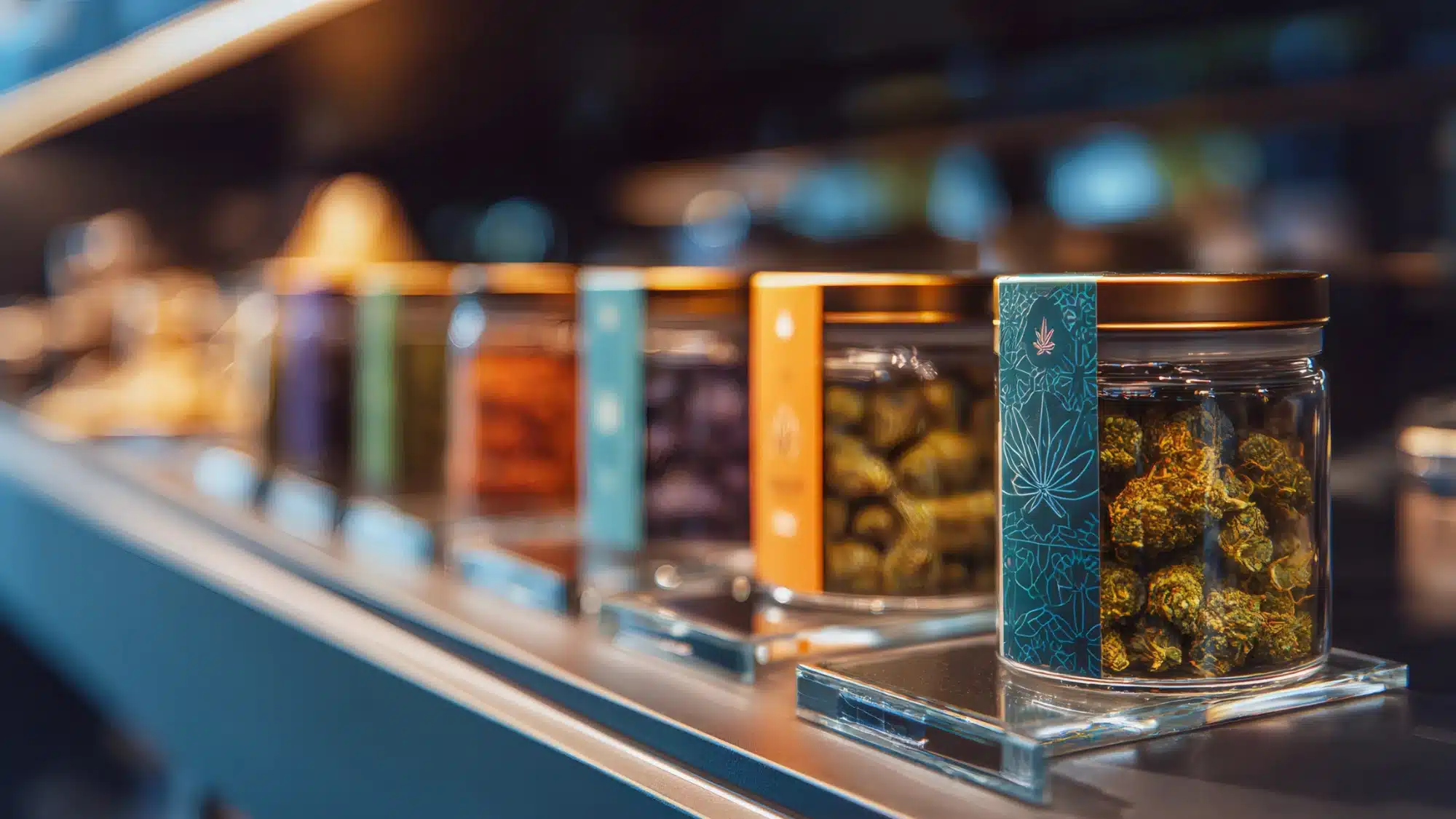
A licensed cannabis dispensary may carry flower, pre-rolls, concentrates, vaporizer cartridges, edibles, capsules, tinctures, topicals, and CBD-dominant products. California regulations limit THC content in certain product types (for example, edibles are generally capped at 10mg THC per serving and 100mg per package for adult use). Staff should be able to explain serving sizes and label instructions clearly.
Licensing and Consumer Safety
A compliant cannabis dispensary will:
- Conduct ID checks for all customers
- Restrict entry to individuals 21+ (or qualified medical patients)
- Use child-resistant and tamper-evident packaging
- Avoid packaging or branding designed to appeal to minors
- Follow advertising placement rules, ensuring at least 71.6% of the audience is reasonably expected to be 21+
California prohibits cannabis advertising that targets individuals under 21. This includes cartoon imagery, youth-oriented graphics, or messaging that could reasonably appeal to minors.
What to Expect at a Licensed Dispensary
When visiting a compliant cannabis dispensary, you can expect age verification before entry, a secure retail environment, clearly labeled display menus, staff trained in product categories, and purchase limits enforced per state law. Retail staff may describe product characteristics such as cannabinoid content, terpene profiles, format, and general usage instructions. They should not make unverified medical claims.
Buying Tips and Quality Indicators
- Start with small amounts: Especially with edibles or concentrates, follow labeled serving sizes and allow adequate time before consuming more.
- Review full labeling: Look for THC/CBD percentages, serving size, ingredients, allergen information, and testing confirmation.
- Confirm freshness: Check packaging dates and storage instructions.
- Understand potency: Higher THC percentages may result in stronger psychoactive effects.
Always store cannabis products securely and out of reach of children and pets.
Legal and Safety Considerations in California
- Do not drive or operate machinery under the influence of cannabis.
- Public consumption is prohibited in most areas.
- Transport cannabis in sealed packaging within your vehicle.
- Crossing state lines with cannabis is illegal, even if both states permit cannabis sales.
The Healing Center: Navigating Your Options
If you are in a community served by The Healing Center, use this guide to compare licensed retailers and confirm compliance standards before visiting a cannabis dispensary. The Healing Center emphasizes regulatory awareness, product transparency, and responsible purchasing practices consistent with California law. For additional guidance, consult official state resources or speak directly with licensed retail staff to verify licensing status and product testing documentation.
Conclusion
Searching for “cannabis dispensary near me” in California starts with license verification, transparent testing practices, and clear product labeling. Use official state databases, review Certificates of Analysis, and ensure retailers follow age-restricted advertising standards. Making informed decisions helps ensure compliance with California cannabis regulations while prioritizing product transparency and consumer education.